
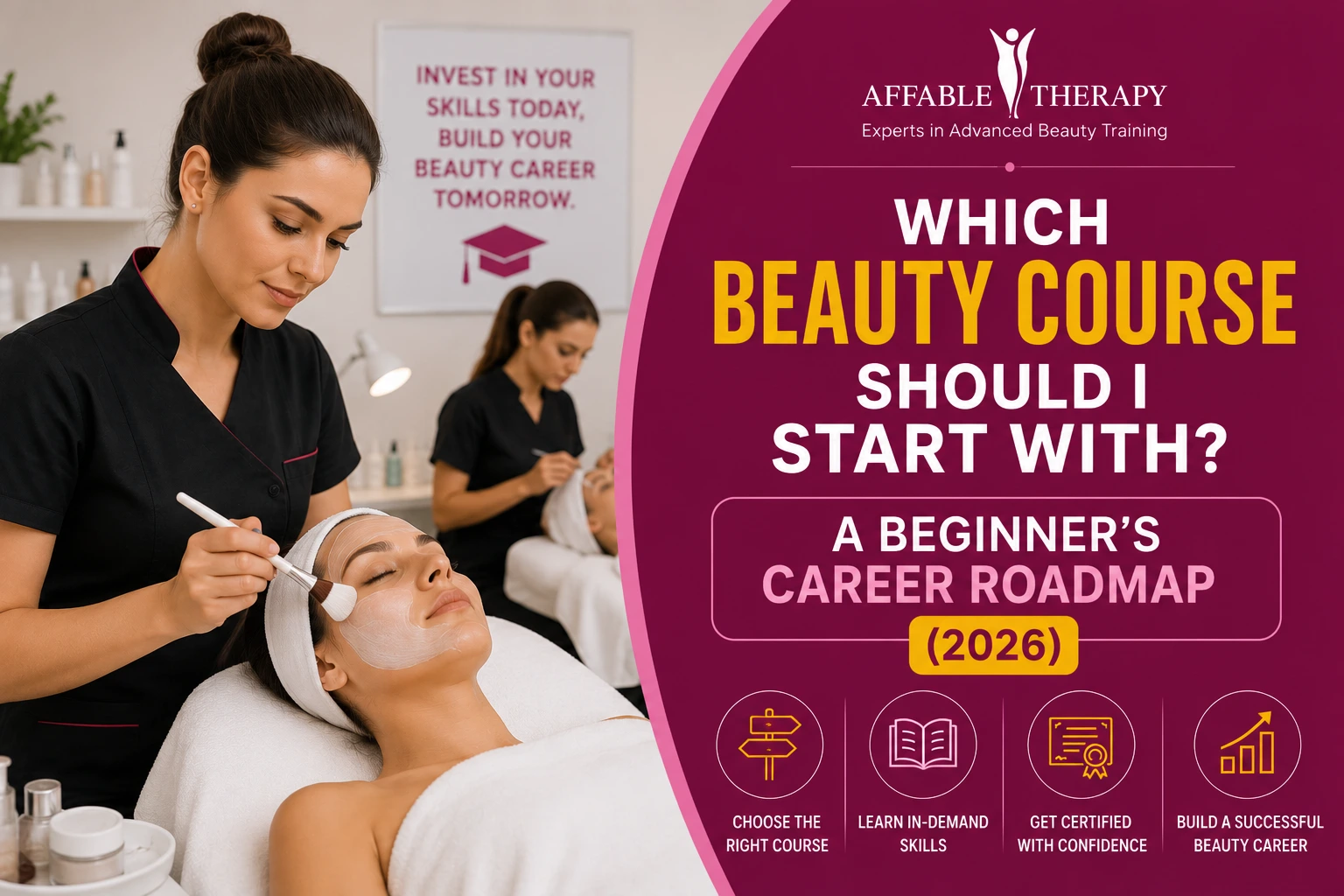
Starting a career in the beauty industry is an exciting decision, but with so many training options available, it’s natural to wonder: Which beauty course should I start with?
Whether you’re looking for a new career, planning to start your own beauty business, or want to add new treatments to your existing services, choosing the right course is the first step towards long-term success.
In this guide, we’ll explain the ideal learning pathway for beginners, the skills you’ll gain at each stage, and how to progress into advanced aesthetic treatments in 2026.
Why Choosing the Right Beauty Course Matters
The UK beauty industry continues to grow as more clients seek professional skincare, wellness, and aesthetic treatments. However, becoming successful isn’t about learning every treatment at once—it’s about building your skills step by step.
Starting with beginner-friendly courses helps you:
- Build confidence with clients
- Learn health, hygiene, and consultation skills
- Gain recognised qualifications
- Progress to advanced treatments safely
- Increase your earning potential over time
A structured learning path also makes it easier to attract clients and build a trusted reputation.
Step 1: Begin with Foundation Beauty Courses
If you’re completely new to the beauty industry, it’s best to start with treatments that are easier to learn and in high demand.
Some excellent beginner courses include:
These treatments provide essential practical experience while helping you understand client care, consultation techniques, hygiene standards, and treatment preparation.
If you’re interested in opening your own salon or working as a mobile therapist, these courses offer an excellent starting point.
Step 2: Develop Your Facial Treatment Skills
Once you’ve gained confidence with basic beauty treatments, facial therapies are the next logical step.
A Hydrafacial Training Course introduces you to advanced skin cleansing, exfoliation, hydration, and facial rejuvenation techniques that are increasingly popular with clients seeking non-invasive skincare treatments.
Learning facial treatments also helps you understand:
- Skin analysis
- Different skin types
- Product selection
- Treatment planning
- Client aftercare
These skills become valuable as you move towards advanced aesthetics.
Step 3: Progress to Advanced Aesthetic Treatments
After gaining practical beauty experience, many therapists choose to specialise in aesthetic treatments that offer higher income opportunities.
One of the most popular options is the Level 4 Microneedling Course.
Microneedling is widely used for improving:
- Acne scars
- Fine lines
- Skin texture
- Stretch marks
- Overall skin rejuvenation
Completing a recognised VTCT Level 4 Microneedling Course demonstrates advanced knowledge and can improve client confidence in your services.
Many therapists combine microneedling with facial treatments to expand their treatment menu and grow their business.
Step 4: Continue Building Your Skills
The beauty industry is constantly evolving, so ongoing education is essential.
After completing your initial training, you may wish to specialise in treatments such as:
- Advanced skincare
- Chemical peels
- Laser treatments
- Skin rejuvenation
- Advanced facial therapies
Expanding your qualifications helps you remain competitive and meet changing client demands.
Which Course Is Right for Your Career Goals?
Your ideal starting point depends on what you hope to achieve.
If you want to work in a salon:
Start with massage, waxing, eyelash extensions, and facial treatments before progressing to advanced aesthetics.
If you want to become self-employed:
Choose treatments that require lower equipment costs initially, such as massage, waxing, or eyelash extensions. You can later invest in advanced treatments like Hydrafacial and microneedling as your client base grows.
If your goal is higher earning potential:
Develop a combination of beauty therapy and advanced aesthetic skills. Offering multiple treatments allows you to serve a wider range of clients while increasing your income opportunities.
Why Train with an Accredited Beauty Academy?
Choosing an accredited training provider gives you confidence that you’re learning industry-recognised techniques from experienced educators.
A quality beauty academy should offer:
- Small practical training sessions
- Hands-on learning
- Experienced tutors
- Accredited qualifications
- Ongoing student support
- Career guidance after training
These factors can make a significant difference to your confidence and future career success.
Also Read: The Future Of Beauty: Why Accredited Training Matters More Than Ever
Build Your Beauty Career One Step at a Time
There isn’t a single “perfect” beauty course for everyone. The best approach is to start with strong foundation skills before progressing into advanced aesthetic treatments.
A recommended learning pathway is:
- Waxing Course
- Massage Course
- Eyelash Extension Course
- Hydrafacial Training
- Level 4 Microneedling Course
Following this roadmap allows you to build practical experience, gain recognised qualifications, and gradually expand your treatment portfolio as your confidence grows.
With consistent learning and hands-on practice, you can create a rewarding career in one of the UK’s fastest-growing industries.
Frequently Asked Questions (FAQs)
1. Which beauty course is best for complete beginners?
For beginners, courses such as waxing, massage, head massage, or eyelash extension training are excellent starting points. They provide practical skills, build confidence, and create a solid foundation before progressing to advanced aesthetic treatments.
2. Can I take a Hydrafacial course without beauty experience?
Entry requirements vary between training providers. While some courses welcome beginners, having basic facial or beauty therapy knowledge can help you understand skin analysis and treatment techniques more effectively.
3. Do I need a Level 4 qualification before learning microneedling?
Many recognised training providers recommend or require learners to meet specific eligibility criteria before enrolling on a Level 4 Microneedling Course. Always check the entry requirements with your chosen academy.
4. How long does it take to become a qualified beauty therapist?
This depends on the courses you choose and whether you study full-time or part-time. Many beginners can gain foundation qualifications within a few weeks or months, then continue developing advanced skills over time.
5. Which beauty treatments have the highest client demand in 2026?
Popular treatments include massage therapy, Hydrafacial treatments, microneedling, eyelash extensions, waxing, and advanced skincare services. Offering a combination of these treatments can help attract a wider range of clients and support long-term business growth.