
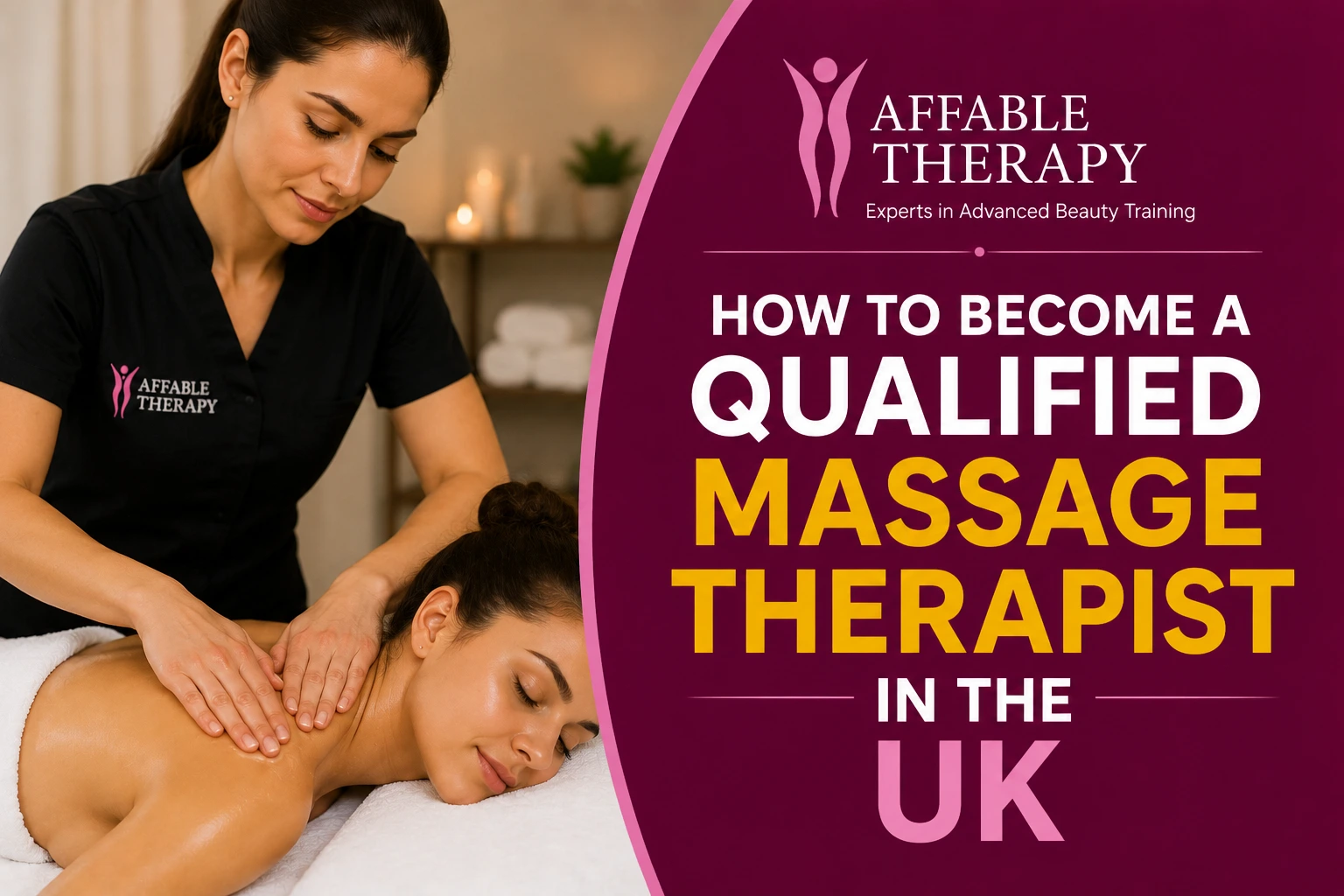
If you enjoy working with people, have an interest in wellbeing and prefer a hands-on career rather than sitting behind a desk all day, becoming a massage therapist could be an exciting option.
Massage therapy is also a flexible career. You could work in a spa, salon, wellness centre, clinic or sports environment, or eventually build your own mobile or home-based massage business.
But before you start looking for clients, it is important to understand how to become a qualified massage therapist in the UK, what training you need, what skills you should develop and how you can progress after completing your first qualification.
What Does a Massage Therapist Do?
A massage therapist uses different massage techniques to provide professional treatments based on a client’s needs and treatment plan.
The role is not simply about knowing how to massage someone. A professional therapist needs to understand the basics of the human body, communicate effectively with clients and recognise situations where a particular treatment may not be suitable.
Depending on their training, massage therapists can specialise in areas such as Swedish massage, deep tissue massage, sports massage, Indian head massage and other specialist treatments.
A typical working day may include:
- Speaking with clients about their requirements
- Carrying out a consultation before treatment
- Preparing the treatment area
- Selecting appropriate massage techniques
- Providing the treatment safely
- Giving suitable aftercare guidance
- Cleaning and preparing equipment between clients
- Maintaining professional client records
Strong communication skills are just as important as good practical technique. Clients need to feel comfortable and confident throughout their treatment.
Step 1: Decide Which Type of Massage You Want to Study
Before choosing a course, think about where you want your career to go.
If you are completely new to massage, a foundational massage qualification can help you develop the essential knowledge and practical skills you need.
Later, you may decide to specialise in an area such as:
Sports massage: A popular choice for people interested in fitness, sports and active lifestyles.
Deep tissue massage: Often chosen by therapists who want to develop more advanced massage techniques.
Indian head massage: A specialist treatment focusing primarily on the head, neck and shoulder areas.
Lymphatic drainage massage: A specialist area requiring appropriate training and understanding of the techniques involved.
You do not necessarily need to decide on your entire career before starting. Many therapists begin with foundational training and add specialist qualifications as they gain experience.
Step 2: Choose a Suitable Massage Course
Choosing the right massage course training is one of the most important decisions you will make.
Don’t choose a course simply because it is the cheapest or quickest option. Think about what you will actually learn and whether the qualification fits your long-term plans.
Before enrolling, check:
- The qualification level
- Course duration
- Practical training hours
- Anatomy and physiology content
- Massage techniques covered
- Assessment methods
- Entry requirements
- Accreditation or awarding organisation
- Whether the qualification is suitable for professional insurance
- Opportunities for further training
Practical training deserves particular attention. Massage is a hands-on profession, so reading about techniques is not enough. You need opportunities to practise them correctly and develop confidence.
Step 3: Learn Anatomy, Physiology and Safe Practice
A professional massage therapist needs more than good hands.
Understanding basic anatomy and physiology can help you understand how the body works and how different massage techniques should be applied.
You will also need to learn about areas such as:
- Client consultation
- Contraindications
- Hygiene
- Health and safety
- Treatment preparation
- Positioning
- Massage movements and pressure
- Client comfort
- Aftercare
This knowledge helps you make informed decisions during a treatment rather than simply following a set routine.
Step 4: Build Practical Experience
Once you have completed your training, gaining practical experience can make a big difference to your confidence.
Working with different clients exposes you to different preferences, expectations and communication styles. You gradually learn how to adapt your approach while maintaining professional standards.
Depending on your qualifications and career goals, you could look for opportunities in:
- Spas
- Beauty salons
- Wellness centres
- Massage clinics
- Hotels
- Fitness and sports environments
- Mobile massage services
- Private treatment settings
Some therapists eventually choose self-employment after gaining enough experience and confidence.
Step 5: Consider Additional Massage Qualifications
Your first massage qualification does not have to be the end of your learning journey.
The beauty and wellness industry offers plenty of opportunities to specialise. Additional training can allow you to expand the treatments you offer and appeal to a wider range of clients.
For example, someone who starts with general massage training might later study sports massage. Another therapist may add Indian head massage or deep tissue massage to their treatment menu.
Building your qualifications gradually can also help you create a more specialised career rather than trying to learn everything at once.
Step 6: Understand the Business Side
If your long-term goal is to become self-employed, learning about business is just as important as learning massage techniques.
You may need to think about:
- Professional insurance
- Local licensing requirements
- Treatment pricing
- Equipment
- Treatment room setup
- Client records
- Appointment management
- Marketing
- Social media
- Building repeat business
Starting a massage business does not necessarily mean renting a large salon. Depending on your circumstances and local requirements, you could explore mobile services, home-based work or renting a treatment room.
However, always check the relevant requirements before providing treatments professionally.
Step 7: Start Building Your Career
After completing your qualification and gaining practical experience, you can decide which direction suits you best.
Some therapists prefer employment because it provides a structured environment and the opportunity to learn from other professionals. Others prefer the flexibility of freelance work or eventually running their own business.
There is also plenty of room for progression. You could develop specialist massage skills, build a loyal client base, move into management or create your own wellness business.
The career path does not have to look the same for everyone.
Final Thoughts
Becoming a qualified massage therapist in the UK is more than completing a short course and learning a few massage movements. It involves developing practical skills, understanding the human body, learning how to work safely with clients and gradually building professional confidence.
If you are considering this career, start with a suitable qualification, focus on gaining strong practical skills and then decide which specialist areas interest you.
With the right training and a commitment to continuing your education, massage therapy can become a flexible career with opportunities to work for an employer, become self-employed or eventually build your own massage and wellness business.
FAQs
1. How long does it take to become a qualified massage therapist in the UK?
The time required depends on the type of qualification and the training provider. Some courses are designed to be completed relatively quickly, while more comprehensive qualifications may take longer. Always check the course duration and practical training requirements before enrolling.
2. Can I become a massage therapist without previous experience?
Yes. Many massage courses are designed for beginners and do not require previous professional massage experience. However, entry requirements vary, so it is important to check the requirements of the specific course you are considering.
3. What massage qualification should I start with?
For someone new to the industry, a recognised foundational massage qualification can be a good starting point. After gaining experience, you can consider specialist training such as sports massage, deep tissue massage or Indian head massage.
4. Can I start my own massage business after qualifying?
Yes, self-employment is one possible career route for qualified massage therapists. You could potentially work from a suitable treatment space, offer mobile services or develop your own business. Before starting, make sure you understand insurance, local requirements, business costs and professional responsibilities.