
Professional waxing is one of the most in demand beauty treatments. It is a valuable skill for anyone starting a career in beauty, expanding salon services, or learning personal grooming techniques.
If you are considering waxing courses, it helps to know what you will learn and how the training works. A good course provides practical skills, industry knowledge, and the confidence to perform treatments safely.
This guide explains what beginners can expect from professional waxing training.
Why Take a Professional Waxing Course?
Waxing may seem straightforward, but proper training is essential. Clients expect safe treatments, good hygiene, and professional results.
Professional waxing courses teach more than hair removal techniques. They help students understand skin types, hair growth patterns, client care, and treatment safety.
Whether you are changing careers, adding services to an existing business, or improving your beauty skills, professional training provides a strong foundation.
What Is Covered in Waxing Courses?
Most beginner waxing courses combine theory and practical training.
Students usually learn:
- Health and safety procedures
- Hygiene and sanitation standards
- Client consultation techniques
- Contraindications and precautions
- Different types of wax
- Hair growth cycles
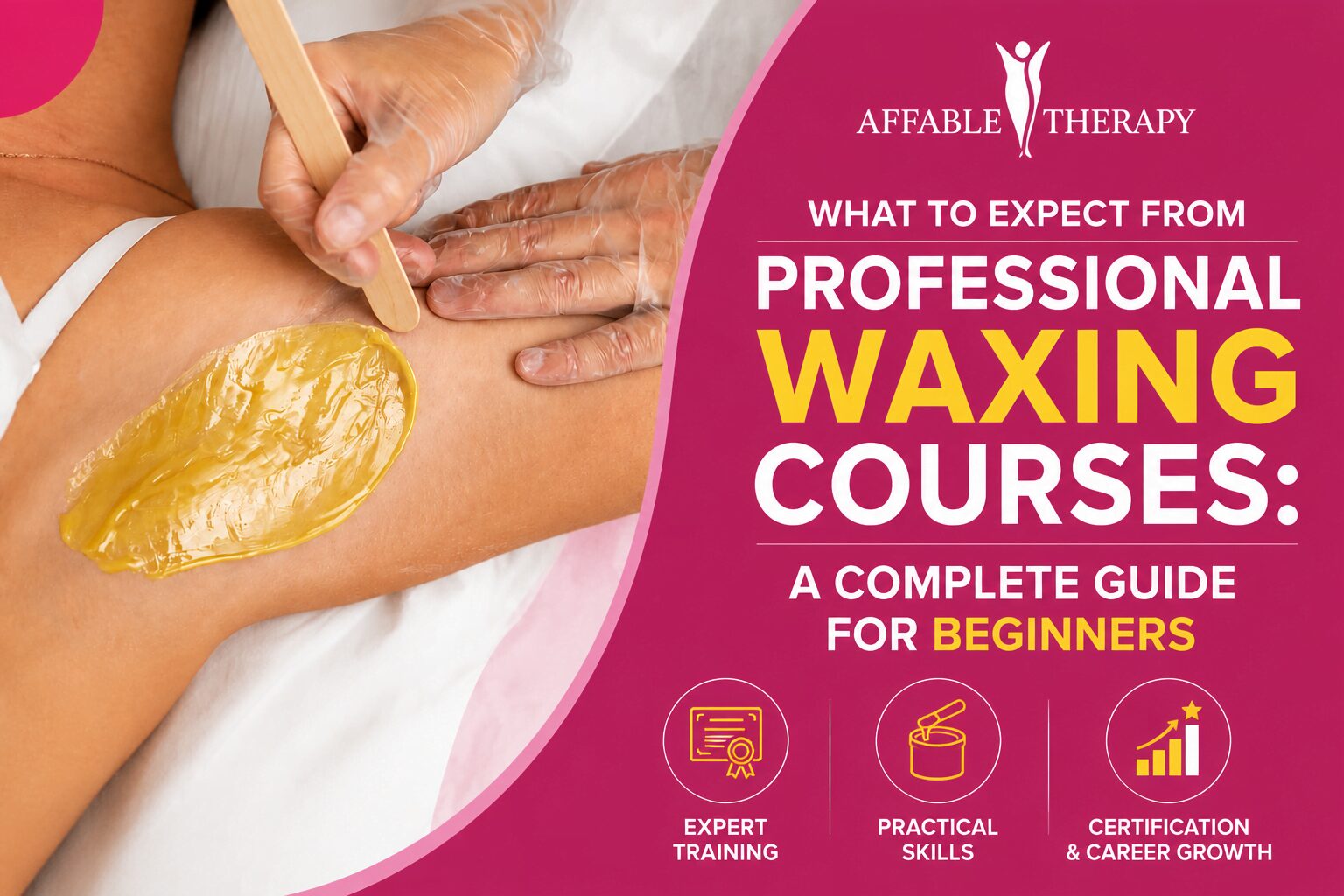
- Wax application methods
- Wax removal techniques
- Aftercare advice
Understanding these topics helps students deliver treatments safely and effectively.
Learning Different Waxing Treatments
A professional course usually covers several treatment areas.
These may include:
- Legs
- Underarms
- Arms
- Bikini line
- Facial waxing
Some advanced courses may also include intimate waxing and specialist techniques.
Students learn how to work on different body areas while maintaining client comfort throughout the treatment.
Practical Hands On Training
Practical experience is one of the most important parts of professional waxing courses.
Students spend time practising techniques under the guidance of experienced trainers. This helps build confidence and improve treatment accuracy.
During practical sessions, students learn:
- Correct wax temperature control
- Proper product application
- Safe wax removal
- Client positioning
- Speed and efficiency
The more practical experience gained during training, the more prepared students will feel when working with paying clients.
Understanding Client Consultations
A successful waxing treatment starts before any wax is applied.
Professional courses teach students how to carry out thorough consultations. This helps identify medical conditions, skin concerns, allergies, and factors that may affect treatment suitability.
Students also learn how to explain procedures clearly and manage client expectations.
Good communication skills are essential in every beauty treatment.
Hygiene and Safety Standards
Cleanliness is a major part of professional beauty services.
Waxing courses place significant focus on hygiene procedures to protect both clients and therapists.
Students learn how to:
- Prepare treatment areas
- Sanitize equipment
- Prevent cross contamination
- Use disposable items correctly
- Follow industry health guidelines
Strong hygiene practices help build trust and maintain professional standards.
Certification and Qualifications
Most professional waxing courses provide a certificate upon successful completion.
The qualification can help students begin offering waxing treatments professionally, depending on local requirements and insurance regulations.
Before enrolling, check that the course is recognised by relevant beauty industry organisations and insurance providers.
This is particularly important for those planning to work in salons, spas, or as self employed beauty therapists.
Who Can Benefit From Waxing Courses?
Waxing training is suitable for a wide range of learners.
Career changers often take entry level beauty qualifications to enter the industry.
Licensed beauty professionals use advanced training to expand their treatment menu.
Salon owners may enrol staff members to improve service quality and increase business opportunities.
Some people simply want to learn professional techniques for personal use and self care.
Choosing the Right Training Provider
The quality of training can make a significant difference to your learning experience.
When comparing waxing courses, look for:
- Experienced instructors
- Small class sizes
- Practical training opportunities
- Accredited qualifications
- Positive student reviews
- Ongoing support after training
Students looking for waxing courses London providers should also consider location, training facilities, and industry reputation.
A well structured course can provide the skills needed to start working confidently after qualification.
What Happens After Completing a Course?
After completing training, many students continue practising their techniques to improve speed and confidence.
Some move directly into salon roles. Others start freelance beauty businesses or add waxing services to an existing client base.
Continued practice and professional development help therapists stay current with industry standards and client expectations.
Many professionals later progress to advanced beauty treatments and specialist certifications.
Final Thoughts
Professional waxing courses provide the knowledge and practical skills needed to perform safe and effective hair removal treatments.
Students learn treatment techniques, hygiene standards, client care, and consultation skills that are essential in the beauty industry.
Whether you are starting a new career, expanding your qualifications, or learning for personal development, quality waxing courses can provide a valuable skill set and open the door to new opportunities. For those seeking training in the capital, waxing courses London providers offer a wide range of beginner and advanced options to suit different goals and experience levels.